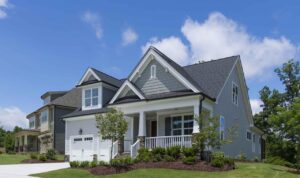
How Local Building Codes Affect Your Choice for Siding and Roofing Near Me sets the stage for this enthralling narrative, offering readers a glimpse into a story that is rich in detail and brimming with originality from the outset.
Dive into the specifics of how local building codes influence your options for siding and roofing near you.
How Local Building Codes Influence Siding and Roofing Selection
Local building codes play a crucial role in determining the types of siding and roofing materials that can be used in construction projects. These codes are put in place to ensure the safety, durability, and overall quality of buildings in a specific area. Failure to comply with these regulations can result in fines, delays, or even the need to redo the work.Specific Requirements Set by Local Building Codes
- Minimum wind resistance requirements for siding and roofing materials to ensure they can withstand strong winds common in the area.
- Fire resistance ratings for siding materials to prevent the spread of fires between buildings.
- Mandatory use of certain materials or techniques to meet energy efficiency standards set by the local government.
- Height restrictions for roofing materials to ensure they do not exceed the maximum allowed height for buildings in the area.
Examples of How Building Codes Impact Material Choices
- In coastal areas prone to hurricanes, building codes may require impact-resistant siding and roofing materials to protect against flying debris.
- In regions with high wildfire risk, building codes may mandate the use of fire-resistant materials for siding and roofing to reduce the chance of fire spreading.
- In historic districts, building codes may restrict the use of modern materials in favor of maintaining the architectural integrity of the area.
Types of Siding and Roofing Materials Allowed by Local Building Codes
When it comes to selecting siding and roofing materials for your home, it's crucial to consider the local building codes in your area. These codes dictate the types of materials that are allowed to be used in construction, ensuring safety, durability, and aesthetic appeal.Siding Materials
- Vinyl: Vinyl siding is a popular choice due to its affordability, low maintenance, and versatility. It is commonly permitted under local building codes as it meets fire safety and energy efficiency requirements.
- Fiber Cement: Fiber cement siding is durable, insect-resistant, and can mimic the look of wood or stucco. It is often allowed by building codes for its fire resistance and longevity.
- Wood: Wood siding offers a natural and timeless aesthetic but may have restrictions in some areas due to fire hazards. Cedar and redwood are usually more accepted than other types of wood.
- Brick: Brick siding provides excellent insulation and durability, but it may have specific requirements in terms of installation and anchoring to meet building codes.
- Stone Veneer: Stone veneer siding adds a luxurious look to a home but may have limitations on the type of stone allowed and the installation process.
Roofing Materials
- Asphalt Shingles: Asphalt shingles are the most common roofing material due to their affordability, ease of installation, and variety of colors. They are typically permitted under local building codes but may have specific requirements for wind resistance.
- Metal: Metal roofing is durable, energy-efficient, and environmentally friendly. It is often allowed by building codes but may require additional insulation to meet energy efficiency standards.
- Clay Tiles: Clay tiles offer a classic and elegant look to a home but may have weight restrictions and installation guidelines imposed by building codes.
- Slate: Slate roofing is known for its longevity and natural beauty but may be limited by building codes due to its weight and installation complexity.
- Wood Shakes: Wood shake roofing provides a rustic and charming appearance but may have restrictions in fire-prone areas. Treatment with fire-retardant chemicals may be required to meet building codes.
Installation Guidelines Based on Local Building Codes
 When it comes to installing siding and roofing materials, following the guidelines set by local building codes is crucial to ensure the safety and structural integrity of your property. These guidelines dictate specific procedures and techniques that must be adhered to during the installation process to meet the required standards.
Installation Requirements in Local Building Codes
- Before starting any siding or roofing project, obtain the necessary permits from your local building department. These permits typically Artikel the specific requirements that must be met during installation.
- Ensure that the installation is done by qualified professionals who are familiar with the building codes and manufacturer's instructions for the materials being used.
- Inspect the existing structure to identify any issues that need to be addressed before installation, such as rotting wood or water damage.
Specific Procedures Mandated by Building Codes
- Follow the manufacturer's guidelines for the proper installation of the siding and roofing materials, including the correct fasteners, sealants, and flashing techniques.
- Ensure that the materials are installed according to the prescribed methods to prevent water infiltration, wind damage, and other potential issues.
- Comply with the minimum slope requirements for roofing materials to prevent water accumulation and ensure proper drainage.
Step-by-Step Guide for Compliance with Local Building Codes
- Start by reviewing the building codes and permit requirements for your area to understand the specific guidelines that need to be followed.
- Hire a licensed contractor with experience in siding and roofing installations to ensure that the work is done correctly and in compliance with the codes.
- Inspect the site before installation to address any structural issues and ensure a solid foundation for the new materials.
- Follow the manufacturer's instructions carefully during the installation process, paying close attention to details such as proper spacing, fastening, and sealing techniques.
- Complete a final inspection to verify that the installation meets all the requirements of the local building codes before considering the project complete.
Consequences of Non-Compliance with Local Building Codes
Local building codes play a crucial role in ensuring the safety and structural integrity of buildings. Failure to comply with these codes can have serious consequences, especially when it comes to siding and roofing installations.Non-Compliance with building codes can lead to a variety of repercussions, including fines, legal issues, delays in project completion, and even the need to redo the entire installation. In the case of siding and roofing, non-compliance can result in structural weaknesses, water leaks, and even collapse in extreme cases.Potential Repercussions of Non-Compliance
- Penalties and Fines: Building authorities can impose fines on property owners or contractors who fail to adhere to local building codes.
- Structural Issues: Non-compliant installations can compromise the structural integrity of a building, leading to safety hazards.
- Voided Warranties: Manufacturers may void warranties on siding and roofing materials if they were not installed according to building codes.
Real-Life Examples of Non-Compliance
- A contractor in a rush to finish a project ignored local building codes for roof pitch, resulting in a roof that couldn't handle heavy rain and caused extensive water damage.
- A homeowner decided to install siding without obtaining the necessary permits, leading to a cease-and-desist order and costly legal battles.
Recommendations for Avoiding Non-Compliance
- Work with licensed professionals who are familiar with local building codes and regulations.
- Obtain all necessary permits before starting any siding or roofing project.
- Regularly inspect the installation process to ensure compliance with building codes.
- Consult with local building authorities or inspectors if there are any uncertainties regarding code requirements.
Wrap-Up
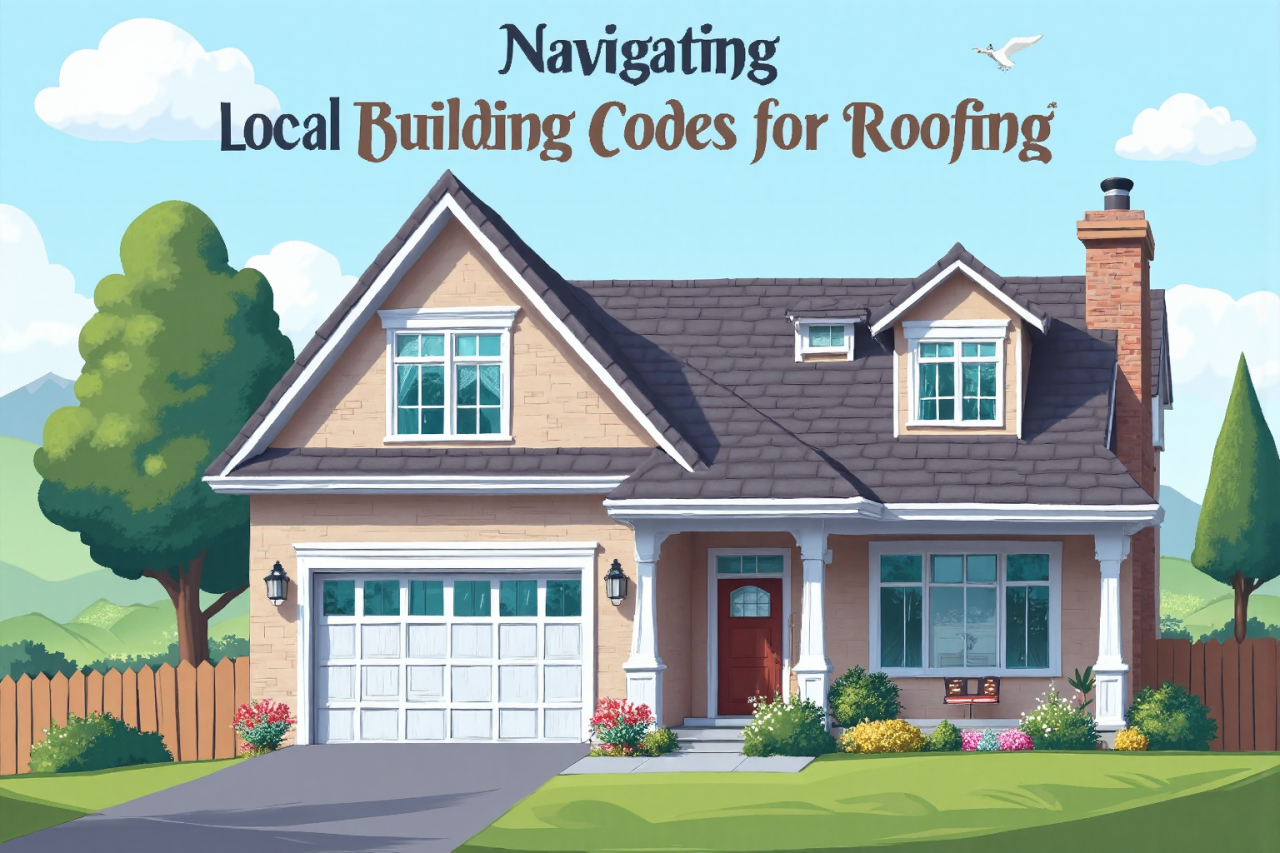
In conclusion, understanding how local building codes impact your siding and roofing choices is crucial for a successful project. Stay informed and compliant for a smooth construction process.
Quick FAQs
What are the common siding materials permitted under local building codes?
Common siding materials allowed typically include vinyl, wood, fiber cement, and metal.
What happens if I don't follow local building codes for siding and roofing?
Non-compliance can lead to fines, project delays, or even legal issues. It's crucial to adhere to regulations.
Are there specific installation guidelines Artikeld in building codes for siding and roofing projects?
Yes, building codes specify installation requirements to ensure safety and quality standards are met.